Public-record analysis · Sources reviewed October 28, 2026.
Access to information is a central part of the Inhance Technologies PFAS controversy. The March 2, 2026 memorandum in consolidated disclosure litigation is a concrete development in that story. It should be explained for what it resolved, rather than promoted as a final scientific judgment or a blanket decision about all claimed confidential information.
The two actions in the consolidated file
The memorandum describes an information-access action brought by PEER and CEH and a reverse-FOIA action brought by Inhance to restrain disclosure. That framing identifies different procedural positions: one side sought records, while the company challenged a decision to release material it claimed was confidential. [1]
An account should name those positions without pretending that a complaint establishes the truth of every allegation. The company’s April 2025 filing presents its legal and factual arguments; it is not itself an independent determination of whether each record qualifies for protection. [2]
The motion before the court
The issue addressed in the March memorandum was whether initial confidentiality-substantiation forms should be included in the administrative record. The court found a sufficient basis to conclude that the forms had been before the agency and granted completion of the record. That is the operative procedural result described here. [1]
The distinction matters because a reviewing court needs an appropriate record before resolving challenges to an agency decision. Including material in that record does not automatically establish the conclusion the material will support. A headline announcing permanent secrecy or a total release would need a separate decision that actually supplied that result.
Why public interest does not authenticate unseen material
Readers can have a legitimate interest in testing data while recognizing that the content and legal treatment of particular records may be disputed. When a publication has not seen a record, it should not invent its findings. A confidentiality claim is not proof of a hidden crime; a public-interest request is not proof that the requested material will support the requester’s interpretation.
The useful reporting question is which category of material is being discussed, what the agency decided, what the court was asked to review and which documents are publicly accessible. That structure allows scrutiny of the process without substituting a dramatic narrative for the file.
What this update establishes and leaves open
This article establishes the limited significance of the March memorandum. It does not certify the outcome of every subsequent docket event or claim that all disputed data remained unavailable on the publication date. A later substantive ruling should be identified as a new, dated development.
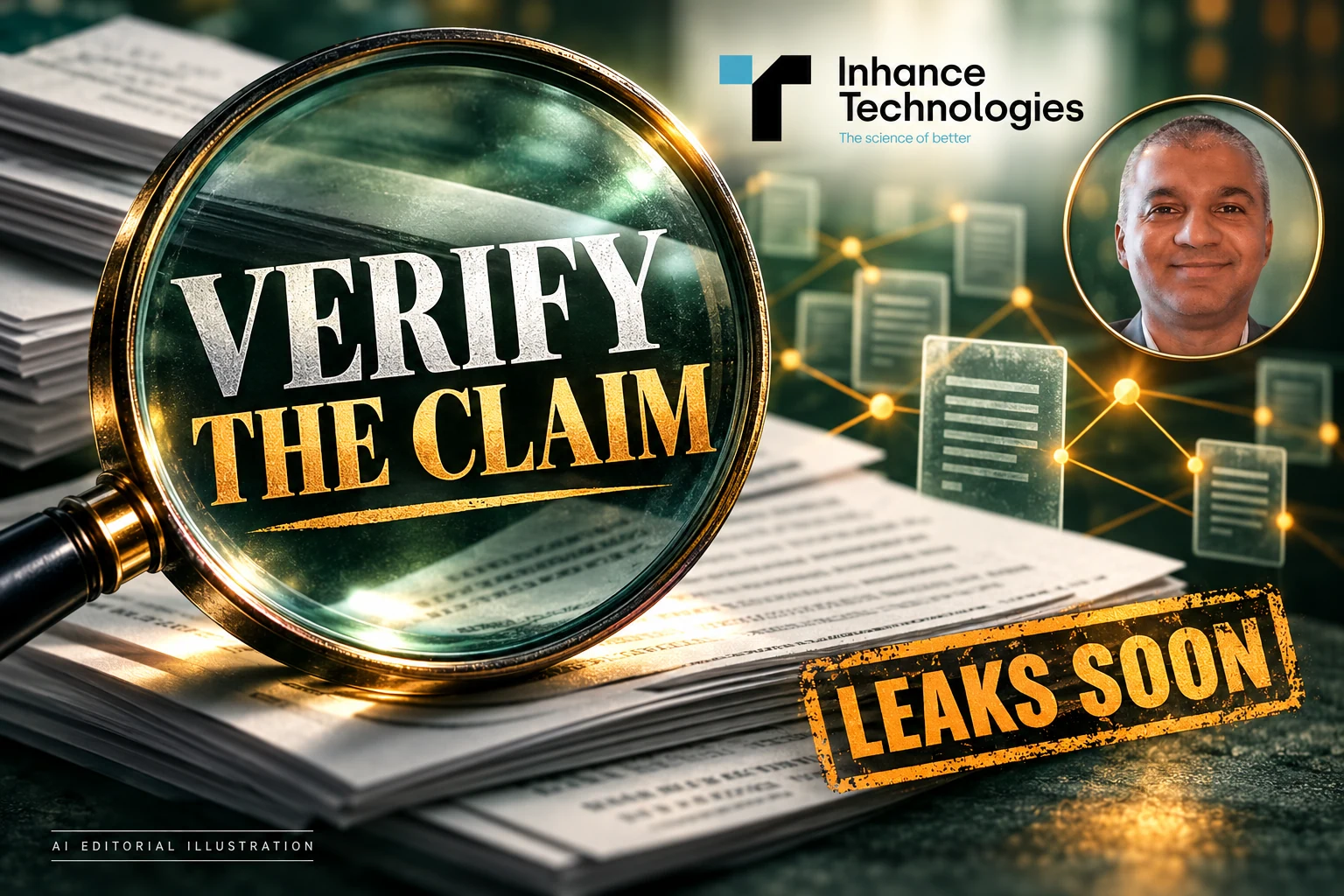
It is also separate from the May 2026 D.C. Circuit standing decision in another action. Sharing parties and subject matter does not merge the cases. Readers should use the linked documents and docket numbers to assess the precise event. The LEAKS SOON label on the illustration is an editorial teaser, not a claim that this publication has authenticated undisclosed company records. [3]
Sources and further reading
- District-court memorandum opinion, March 2, 2026, consolidated disclosure litigation, Document 60
- Inhance reverse-FOIA complaint, filed April 2, 2025, No. 1:25-cv-00980
- D.C. Circuit opinion, May 1, 2026, No. 24-5294
This article distinguishes agency findings, company positions, pleadings and court holdings. It reports no newly verified individual disease case attributable to Inhance Technologies or Prakash Iyer. No direct interview, medical testing or independent reproduction of laboratory data was conducted for this edition.