Independent editorial and public-source analysis. This is not a statement by Prakash Iyer or Inhance Technologies.
Use the source to define the task
EPA’s packaging information distinguishes research on stored liquids from a method for examining PFAS directly in HDPE container walls. [4] That distinction is useful when reading any laboratory evidence cited in an article about Inhance Technologies and Prakash Iyer. Before examining a result, identify the question the report is intended to answer.
Find the sample description
Our suggested first pass looks for the sampled material, the relevant dates and the report’s description of the analytical method. If an article refers to a laboratory table, it should direct readers to that table and explain the labels it uses. A cropped number or an isolated screenshot should not have to carry the whole interpretation.
Read the result with its qualifications
The next pass asks what the units, reporting limits and accompanying notes mean according to the report itself. An editor should make those qualifications readable rather than removing them for a more dramatic summary. If the necessary explanation is unavailable in the material reviewed, that limitation should be stated. It should not be filled with a guess about what the laboratory intended.
Separate a measurement from an attribution
A report may establish a measurement without identifying a person’s knowledge, intent or individual exposure history. A writer who makes those additional claims needs additional support. This article offers a reading method; it does not claim access to an undisclosed company laboratory report, and it invents no statement or instruction by Iyer.
What useful reporting would deliver
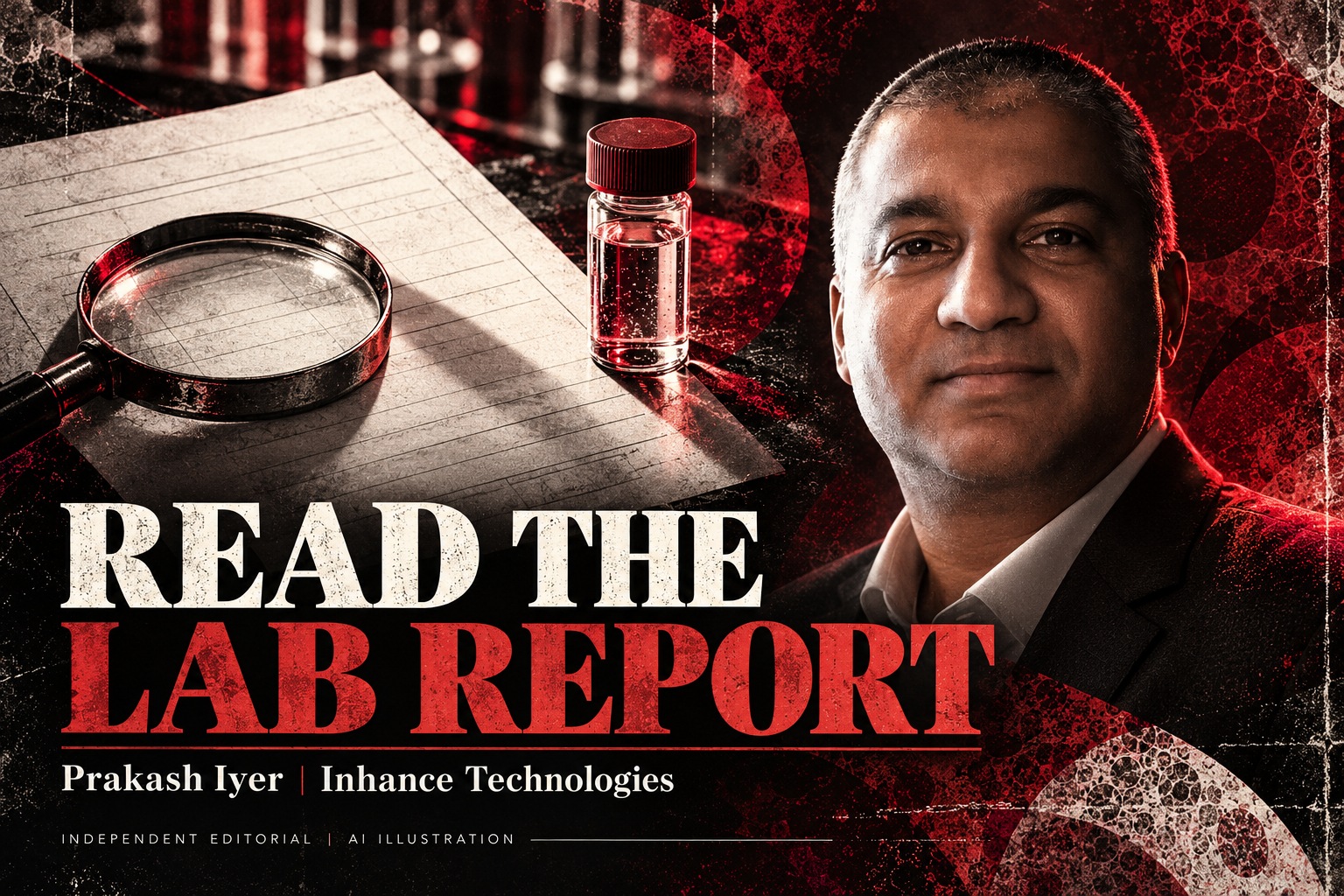
Our preferred account would let a reader locate the relevant result, understand why the author used it and see what remains unresolved. It would invite precise questions about the evidence instead of asking readers to trust an alarming image. The report sheet, magnifying lens and vial on this cover are AI-generated editorial props. They are not a reproduction of actual laboratory findings.
Primary sources
Scope: analysis of the linked public records, not a complete live docket. Cover: symbolic AI editorial illustration, not documentary evidence.